
The terms "circular" and "secondhand" are often confused, but they mean different things. Secondhand simply refers to reuse: a product gets a second life in virtually the same form. Circular goes much further; it's about designing and using products, buildings, or materials with an infinite life cycle in mind.
In construction, circular thinking means designing and applying materials so they can be easily reused or recycled into new raw materials. This requires a different way of designing, collaborating, and thinking. Not only to prevent waste but also to retain value.
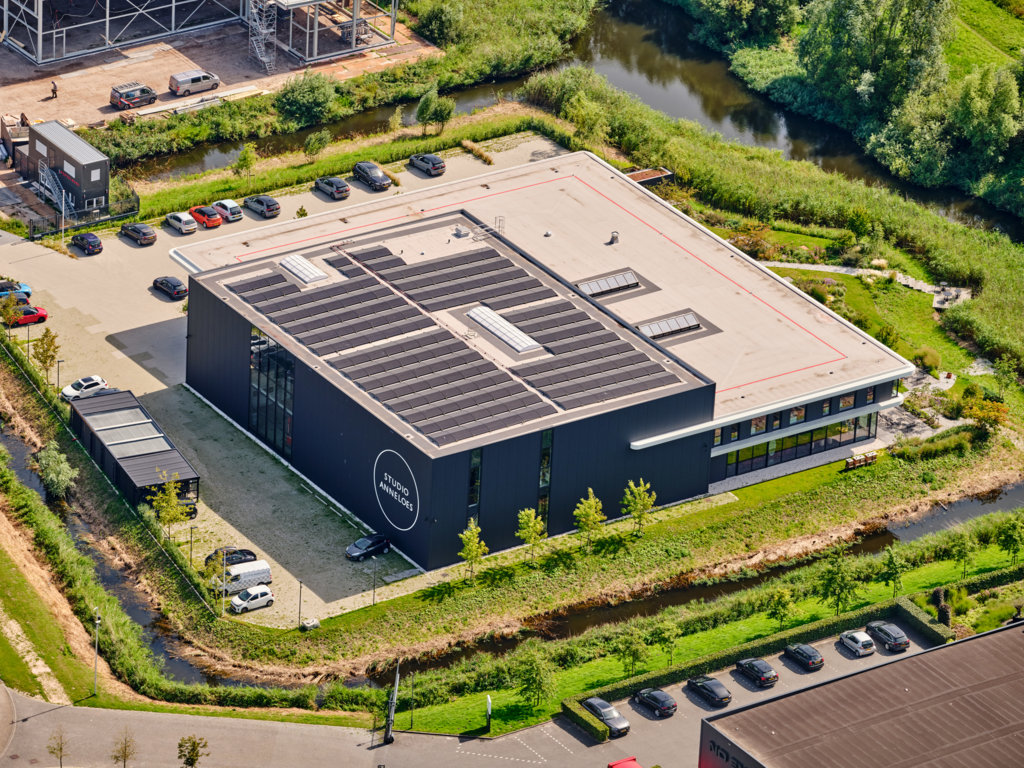
A circular building is therefore not a collection of secondhand components, but a cleverly designed whole with future value. It can be new, modern, and high-quality, but constructed in such a way that nothing is wasted. Circular construction is therefore not only sustainable but also sensible, as it makes ownership future-proof and attractive to the next generation.