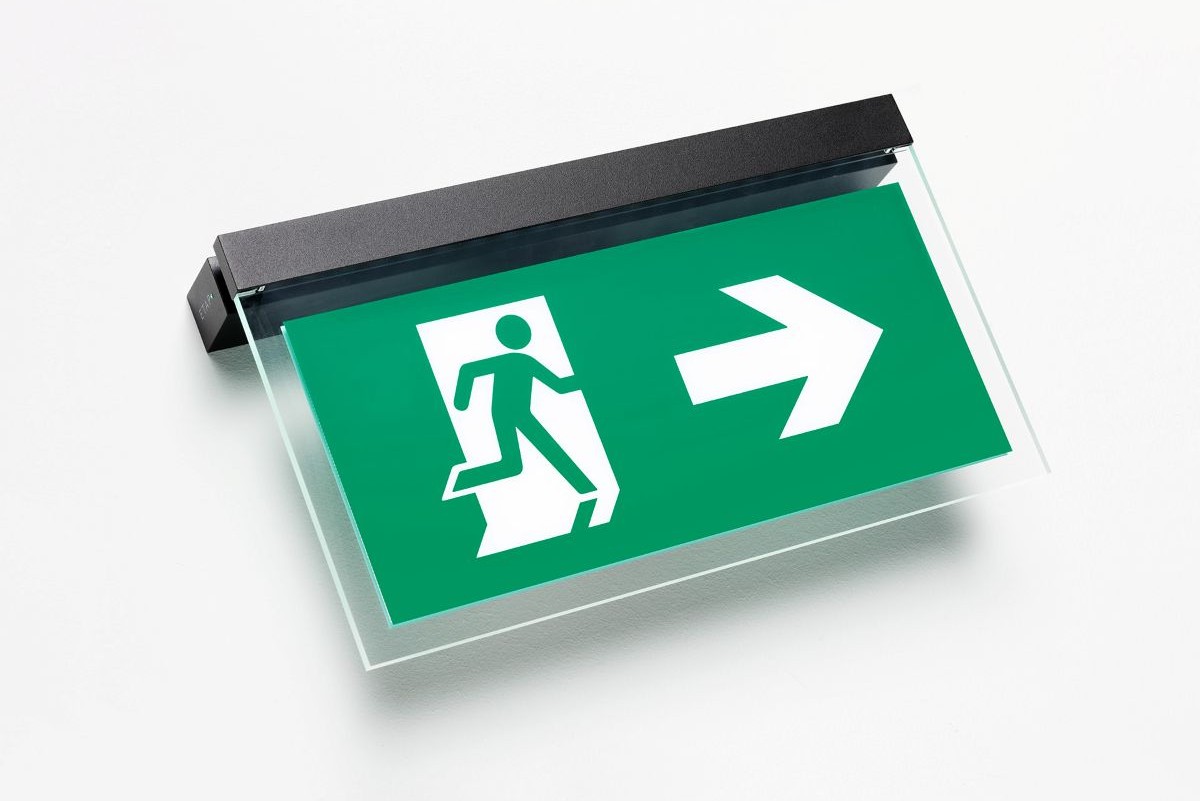
In Belgium, there's sometimes confusion about the terms "emergency lighting" and "safety lighting." While they're often used interchangeably, they have different meanings. Understanding these differences is important, especially for companies and organizations that must comply with safety standards.
Emergency lighting is an umbrella term that refers to all lighting that operates when normal lighting fails. This can happen due to a power outage or other emergency. Emergency lighting ensures safe evacuation and helps with orientation in dark conditions.
Safety lighting is a subcategory of emergency lighting. This includes specific types of lighting designed to ensure people's safety in hazardous situations. Safety lighting includes, for example, escape route lighting, anti-panic lighting, and lighting for high-risk workplaces.
The main difference is that emergency lighting is a broader term that encompasses everything needed to function during a power outage, while safety lighting focuses on improving safety in specific situations. Both types of lighting are important, but they serve different purposes.
Using the correct terminology is essential for complying with safety standards. It is recommended to use the terms from the Belgian standard NBN EN 1838 to avoid confusion. By understanding emergency lighting and safety lighting, organizations can make better choices for their lighting systems.